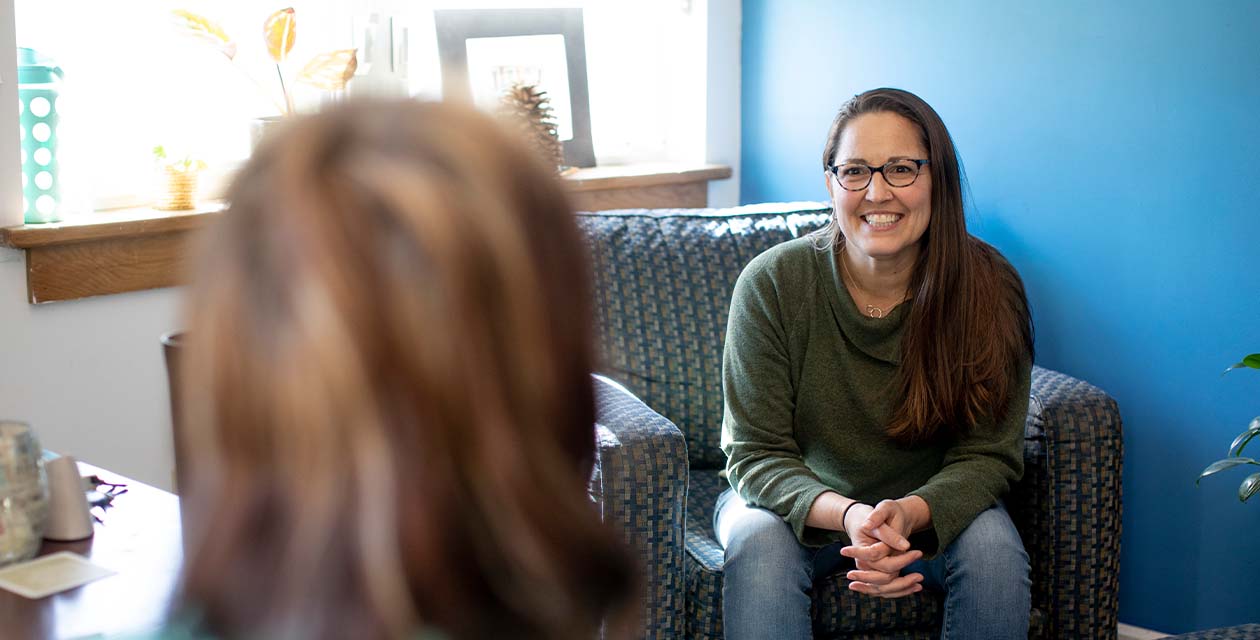
At TSA, we support the whole student—academically, emotionally, and socially. Both our middle and high schools have dedicated counselors who know students personally and are available for scheduled appointments and brief, on-the-spot support.
Counselors help students manage stress, navigate social dynamics, explore identity, and develop skills to address anxiety and depression.
Services include:
- Referrals to outside providers (therapy, case management, psychiatry)
- Individual counseling (short- and long-term)
- Group counseling
- Student Support Team referrals
Confidentiality is foundational. While student safety is the top priority, TSA counselors work collaboratively with students and families to provide compassionate, consistent care.
Well-being Programs


High School P.A.T.H. Program (Grades 9–10)
Mindfulness, Emotion Regulation & Resilience
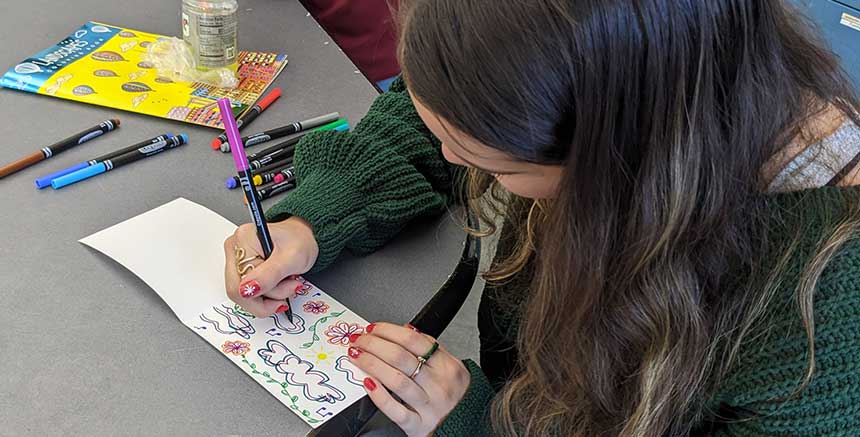
P.A.T.H. (Pursuing Awareness, Thoughtful relationships, and Health) is a weekly, yearlong course focused on emotional wellness and social learning. Students explore mindfulness, emotion regulation, and stress management through evidence-based practices.
Topics include:
- Mind-body connection
- Cognitive distortions and reframing
- Media literacy and digital citizenship
- Identity and values-based goal setting
- Communication styles and conflict resolution
Students apply these skills in real-life scenarios, reflect on their growth, and gradually take the lead in class activities to foster confidence and belonging.
High School P.A.T.H. Program (Grades 11–12)
Exhibition Research, Post-Secondary Planning & Life Skills
In 11th grade, P.A.T.H. focuses on supporting the research process for each student’s Exhibition project. In 12th grade, the course shifts toward life after high school. Students explore personal strengths and interests, then create a post-graduation action plan—whether that includes college, career, travel, or other pathways.
Topics include:
- Research skills and project management
- Post-secondary options and applications
- Life skills (“adulting”) including financial literacy, time management, and self-advocacy
Middle School E.S.P. Program
Emotional, Social & Physical Development
The E.S.P. (Emotional, Social, Physical) Program offers a dynamic, experiential approach to wellness. Through rotating modules, students participate in activities that build physical health, emotional awareness, and interpersonal skills.
Activities include:
- Yoga and mindfulness
- Archery and fitness goal-setting
- Team-building games
- Emotional regulation and self-reflection exercises
Each session is designed to promote self-awareness, resilience, and community connection in a developmentally appropriate way. Students learn to navigate middle school challenges while building healthy habits for life.
Health Curriculums
All high school students complete two core health courses:
“More Than Sex: Relationships, Communication & Respect”
This course focuses on building healthy relationships, navigating boundaries and consent, and understanding sexual health. It also explores how media shapes views on relationships, gender identity, and sexual orientation.
“This Is Your Brain on Drugs”
Students learn how substances impact the brain and body, gain tools for healthy decision-making, and examine current research on addiction. Topics include harm reduction, mental health, the opioid epidemic, and other student-driven areas of interest.
Academic Support Meets Real-Life Learning
Study-All is a twice-weekly class designed to support middle schoolers academically and socially. In small groups, students receive guided academic support while also engaging in structured discussions about real-life topics.
Key areas include:
- Study skills and executive functioning
- Communication and conflict resolution
- Consent, puberty, and sex education
- Substance use and decision-making
Stress management and wellness strategies
This class balances academic tools with honest, age-appropriate conversations, helping students build both competence and confidence in and out of the classroom.
